

Security Practices to Keep Financial Fraud at Bay
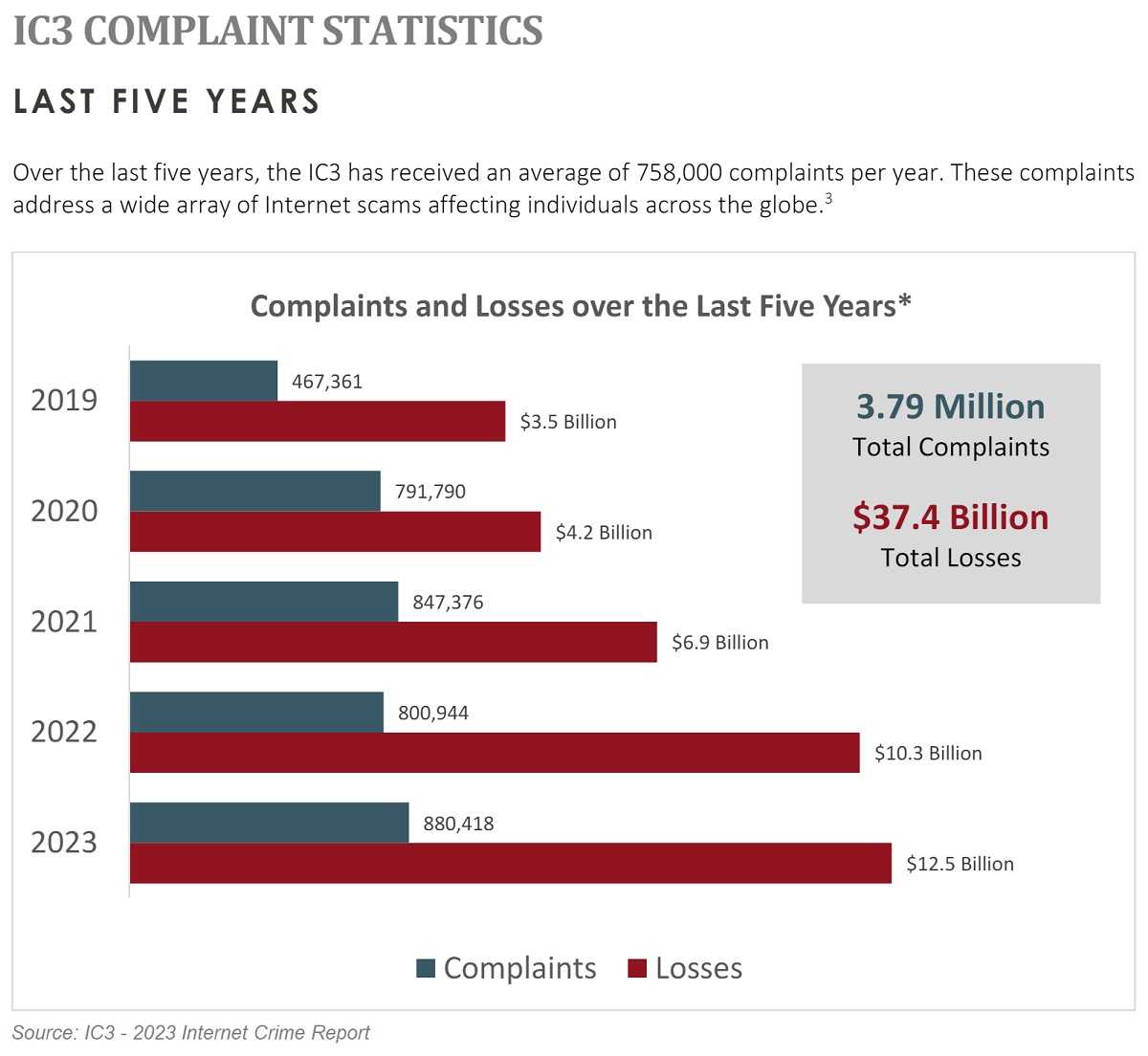
In 2023, the IC3 reported some shocking numbers. It received over 880,000 complaints from consumers regarding fraud. Total losses exceeded $12.5 billion. That's not trivial; in fact, this just further shows how much businesses and their financial institutions are still at risk of considerable losses today.
Fortunately, some simple processes can be implemented to help stay on top of the risks. The top way attackers succeed is phishing. It's been at the top of the list since cyberattacks began, way back in the days of AOL and dial-up internet access. It's unlikely to be toppled, because, frankly, it works very well.
In addition to employee awareness training on the various threats and their evolution, there are other ways to protect the organization. Financial institutions are sharing advice with businesses and each other on how to mitigate such attacks.
One place to start is online cash management services. Do research, ask questions, and consider incorporating the following, if you haven't:
Multi-factor authentication— Similar to the MFA used to log into online accounts —should be required for various transactions within businesses and financial institutions. MFA in this case, however, requires two or more authorizations before electronic funds or wire transfers can be executed. This also may be beneficial for completing ACH batch transactions.
Positive pay — This allows business owners and their financial institutions to identify suspicious ACH or check payments. It matches the checks a company issues with those presented at a bank.
Stop payment--This allows a business to cancel payment on potentially fraudulent checks. Stop payments can be initiated on a check-by-check basis or in batches. Businesses should use it when fraud is suspected.
Permission-based access—Implementing this means restricting access to certain services to authorized users only. The fewer people who have the right to perform certain, higher-risk actions, the less risk the organization and the financial institution incur.
Fraudsters and cybercriminals don't stop evolving their tactics, and you should not stop trying to evolve to stay ahead of them. This means ongoing awareness training for all employees and staff (don't forget about executives), as well as evaluating and implementing new tools to help keep criminals out and prevent them from being successful on your dime.
If you'd like to read more and stay up to date on all things cyber education, sign up for Stickley on Security's News & Alerts for free here!
Source: https://www.millenniumcorporate.org/Resource-Center/Cyber-Education